

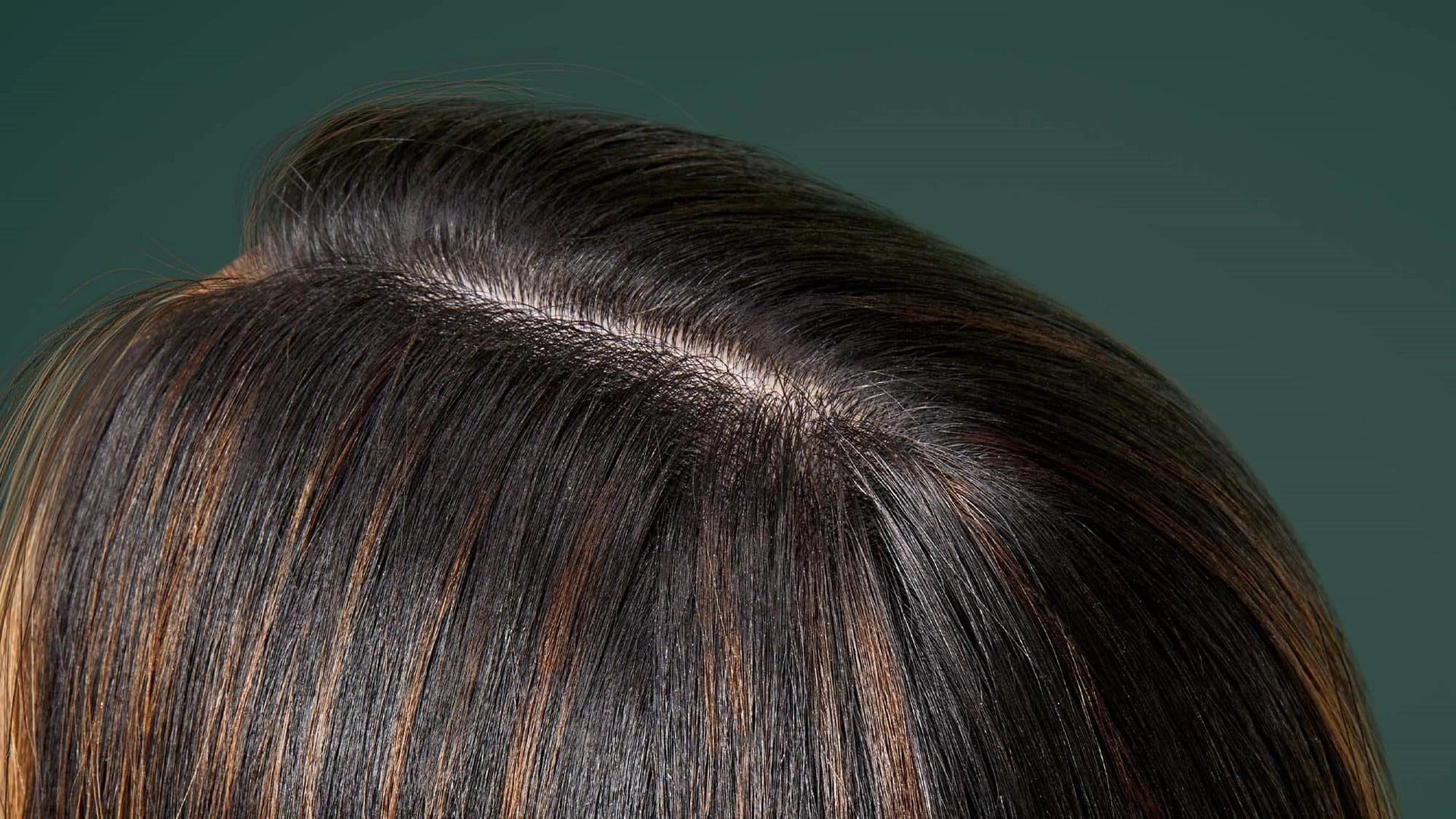
Have you noticed a LOT more hair in your brush recently? Before you panic and start frantically Googling vitamins for hair growth, stop! There could be a simple explanation.
Research suggests hair fall follows a seasonal pattern, with more hairs entering the resting, or ‘telogen’, phase during the summer, ready to shed in late summer and early autumn. With one study showing hair shedding often peaks in August and September. When around 60 hairs a day are lost, more than double the amount shed during the winter.
So, it’s not your imagination that there's extra hair in the plughole. And for many people, late-summer/early-autumn shedding is totally normal and part of your hair’s natural cycle. Your hair follicles haven’t stopped working, and once the resting hairs have shed, new hairs will gradually take their place. And you'll have all that lovely baby hair to look forward to styling in a few months time!
Of course, that doesn’t make seeing handfuls of hair come out any less alarming, and for some people it can continue and need further investigation. And while hair loss has traditionally been talked about as something men have to deal with, it’s very common in women too. With 55% of women experiencing hair thnning in their lifetime. Thankfully, the taboo around female hair loss is finally beginning to shift. But so is our understanding of what vitamins for hair growth actually help.
The most important thing to know is that supplements won't magically grow your hair back overnight. If your hair loss is caused by a nutritional deficiency, correcting that deficiency can definitely help. But taking mega doses of ‘hair vitamins’ when your levels are already fine isn’t supported by good scientific evidence. So, before you stock up on biotin gummies, read this blog to find out what the research says:
Hair still shedding? Before trying vitamins for hair growth, find out why:
A bit more hair shedding at this time of year doesn’t necessarily mean anything is wrong. The important thing to be aware of is that this seasonal shedding should settle down. But if it doesn’t, or your hair seems noticeably thinner, it’s worth looking at what else might be going on. Rather than ordering dozens of vitamins for hair growth.
In a normal hair cycle, your follicles are very clever at falling out and being replaced in an organised pattern which means you shouldn't notice any substantial thinning. Other warning signs that it might not be normal seasonal loss include patches of hair falling out, or painful sore patches on your scalp.
There are LOTS of reasons why you could be experiencing hair loss, from stress, illness, and rapid weight loss. to hormonal changes, thyroid problems and nutritional deficiencies. Hormones can be a biggie. Hair thinning can occur around peri menopause, and also be associated with PCOS. If you want to understand which supplements can help if you've got PCOS (including hair thinning). Read our PCOS supplement guide here.
Another common type is telogen effluvium, where more hairs than usual enter the resting and shedding stage. This can often be triggered by stressful events for the body. Frequently happening a few months after things like serious illness, significant stress, surgery, childbirth or substantial weight loss.
The NHS recommends seeing your GP if you’re worried about hair loss. Esepcially if the shedding is persistent (more than a couple of months), sudden, patchy or you have other symptoms. Rather than guessing which vitamins for hair growth you might need, a blood test can help identify whether there’s actually a nutritional problem to correct.
1. Iron:
Iron is probably one of the most important nutrients to investigate if you’re a woman experiencing unexplained shedding. Particularly if you have heavy periods, or you're following a vegan or vegetarian diet, where it's hard to keep your haem iron levels (the easiest type for the body to absorb) topped up through what you eat.
Your body needs iron to make haemoglobin and ferritin is the protein your body uses to store iron, so asking your GP to check your iron AND ferritin levels gives a useful indication of your iron reserves.
Several studies have found that low ferritin levels often go hand-in-hand with female hair loss. This is because red blood cells transport oxygen around the body. When there are fewer red blood cells available (if your iron is low), the body has difficulty transporting oxygen to the various organs and tissues, including your hair follicles. When iron stores become depleted, your body will also prioritise essential functions over hair growth.
If testing shows that your iron or ferritin is low, correcting that deficiency is a must for your overall health. Getting your iron levels back to normal again can also help your hair return to its best too. Be aware that it can take several months to boost your iron levels significantly. The most important thing is to take your iron consistently, which can be difficult; as traditional oral iron supplements come with a plethora of 'fun' side effects. To find out more about this, read: Side Effects of Iron Tablets and What to Try Instead.
Our handy Iron Plus patch is a great alternative, which allows you to top up your iron transdermally. This means none of the pesky digestive side effects that put so many people off taking their iron regularly. Even better, each patch also contains vitamin C, which increases iron absorption, helping you to top up more effectively.
2. Vitamin D: one of the main vitamins for hair growth worth checking
You probably associate vitamin D with healthy bones, muscles and your immune system, rather than a glossy, thick ponytail, but there’s growing interest in the relationship between vitamin D levels and hair loss.
Hair follicles contain vitamin D receptors, and new research has found lower vitamin D levels in some groups of people experiencing hair loss, particularly women. It also showed that after three months of vitamin D treatment, hair shedding improved.
So if you’re concerned about persistent shedding, it's definitely worth getting your vitamin D levels checked. Plus, vitamin D is the most common deficiency in the UK, so it's likely your D levels might need a little boost. Especially between September and March, when we don't get enough sun for your body to produce it's own vitamin D effectively.
Our D3/K2 patch provides your ideal daily dose of vitamin D and is one of the vitamins for hair growth you probably actually need to take anyway! And because the nutrients are delivered through the skin, it bypasses the digestive system, making it a useful option if you struggle with absorbing supplements through the gut, or are just fed up with juggling multiple pill bottles each morning.
3. Zinc:
You might take zinc in winter to pep up your immune system, but it also plays an important role in keeping your hair healthy too. Making it another nutrient to conisder as one of your vitamins for hair growth. That's because zinc is essential for normal cell division and contributes to the maintenance of normal hair, skin and nails.
Research has found a link between low zinc levels and some types of hair loss and in some studies, people with telogen effluvium saw their hair loss improve or resolve after taking zinc supplements.
That doesn’t mean more zinc automatically equals more hair, though! The benefits are much more pronounced if you've got a zinc deficiency in the first place. Something more comonly seen in people who have problems absorbing nutrients through the gut, and certain gastrointestinal conditions.
If you are running low on zinc, our Vitamin C/Zinc patch provides 10mg of zinc alongside vitamin C. And because the nutrients are delivered through the skin, bypassing the digestive system, it can be a useful way to top up your intake if gut absorption (which often goes hand in hand with low zinc) is an issue. Plus – no tablets to remember or swallow – it couldn't be easier to use!
What about biotin, B12, folate and selenium?
Now for the bit you probably won't see plastered across the front of a pot of hair gummies… Biotin isn't actually a clinically proven treatment for hair loss. Even though it's constantly marketed as one of THE essential vitamins for hair growth.
To be completely transparent, biotin does play an important role in the body and true biotin deficiency can cause hair thinning. But actual biotin deficiency is very rare, and an evidence review published several years ago (long before influencers started raving about biotin gummies) doesn't support it as a treatment for hair loss. There isn't good evidence to recommend biotin supplements for telogen effluvium, androgenetic alopecia or alopecia areata – unless you have a biotin deficiency (for context – less than 1 in 60,000 people are estimated to have this!).
It's a smilar story with vitamin B12 and folate. Both are essential nutrients, and deficiencies need treating, but there isn't currently enough evidence to recommend supplementing with either specifically as a hair-loss treatment when your levels are normal.
You need to be particularly careful with selenium. Your body needs a small amount of it, but more is absolutely NOT better. In fact, excessive selenium intake can itself cause hair loss – so you could be making the very thing you're trying to treat even worse!
The best vitamins for hair growth? Get tested rather than guessing
If your seasonal shedding hasn't settled, the answer isn't always buying every supplement with a picture of shiny hair on the packet! Instead, speak to your GP about the shedding and ask for blood tests to check for things like anaemia, iron/ferritin levels, vitamin D or thyroid problems.
It's also worth thinking about what's been going on in your life recently. Have you been ill or under significant stress? Have you lost a lot of weight lately? Are your periods particularly heavy? Are you going through perimenopause or menopause? All of these clues can help you get closer to the actual cause and treat it accordingly.
When it comes to vitamins for hair growth, the best approach is finding out what your body is missing and correcting it. And if digestive problems make supplements difficult to tolerate or absorb, the way you take them matters too. Our patches deliver nutrients through the skin rather than the digestive system, completely bypassing the gut. This is especially useful for nutrients like iron, renowned for its digestive side effects when taken orally, or B12 if gut absorption is an issue.
There isn't one magic combination of vitamins for hair growth that works for everybody. If your hair is shedding more this autumn, it might just be seasonal hair fall. But if it carries on, don't panic and blindly supplement.
Get your levels checked, find out what's going on and give your body what it genuinely needs. Your hair – and your bank balance – will thank you later!
