

Can you imagine spending seven years feeling dizzy, exhausted, and feeling faint every time you stand up, without knowing why? For many people living with Postural Tachycardia Syndrome (POTS), this is a frustrating part of every day life. And according to the charity PoTS UK, the average time from the onset of symptoms, to having various POTS test and finally getting a diagnosis is seven years!
That's a really long time to be living with some of the debiltating side effects of POTS, that can have a profound effect on your quality of life. But part of the problem is that POTS can be difficult to recognise. Unfortunately, symptoms like dizziness, palpitations, fatigue, brain fog and nausea can overlap with lots of other conditions. All too often, this can lead to many POTS sufferers being misdiagnosed or fobbed off.
The good news? There are tests that can help to investigate if you've got POTS or something else, including a simple 10-minute assessment called the NASA Lean Test. And what's even better is: you can do this at home, yourself, with no need to visit your GP!
So, what does this POTS test involve, and could it help you to get some answers about what's wrong? Read on to find out… Already diagnosed with POTS and looking for supplements that might help? Read: Our 6 Recommended Supplements for PoTS
What is POTS and which symptoms could mean you need a POTS test?
Postural Tachycardia Syndrome s a condition that affects the autonomic nervous system. This controls the automatic bodily functions you don't consciously think about, but rely on to stay alive; things like your heart rate, blood pressure and digestion.
When you stand up, gravity causes some of your blood to move towards your lower body. Normally, your nervous system responds by adjusting your heart rate and blood vessels to maintain a steady blood supply to your brain. However if you've got POTS, this response doesn’t work as well, and you get an unusually large increase in your heart rate.
As well as palpitations, other symptoms of POTS to look out for, which could mean you should consider doing a POTS test include:
- Dizziness or lightheadedness, particularly when standing up
- Fatigue, sometimes so extreme you can't do your usual everyday activities
- Brain fog
- Nausea
- Feeling faint, particularly after standing for long periods
- Exercise intolerance (because physical activity can make your symptoms worse)
How Is POTS Diagnosed in the UK?
Unfortunately, there isn't one definitive POTS test that can conclusively confirm you have it. A Doctor will need to look at your symptoms, medical history and how your heart rate and blood pressure respond when you move from lying down to standing.
Two of the most common tests to examine this are the active stand test and the tilt table test. An active stand test measures your heart rate and blood pressure while you’re lying down and then at regular intervals after standing, usually for up to 10 minutes. This can usually be carried out by your GP, whereas a tilt table test most often needs to happen in a hospital.
During a tilt table POTS test, you lie on a specially designed table while your heart rate and blood pressure are monitored. The table is then tilted upright, allowing doctors to keep an eye on how your body responds to changes in position. You might also need blood tests or an ECG, to rule out other conditions that can cause similar symptoms.
How to do the NASA POTS Test:
If you’re concerned you might have POTS and want to get an idea of how your heart rate and blood pressure respond to standing, trying the NASA Lean POTS Test at home is a helpful place to start. Want to have a go? Here's what you need:
- A heart rate monitor or pulse oximeter
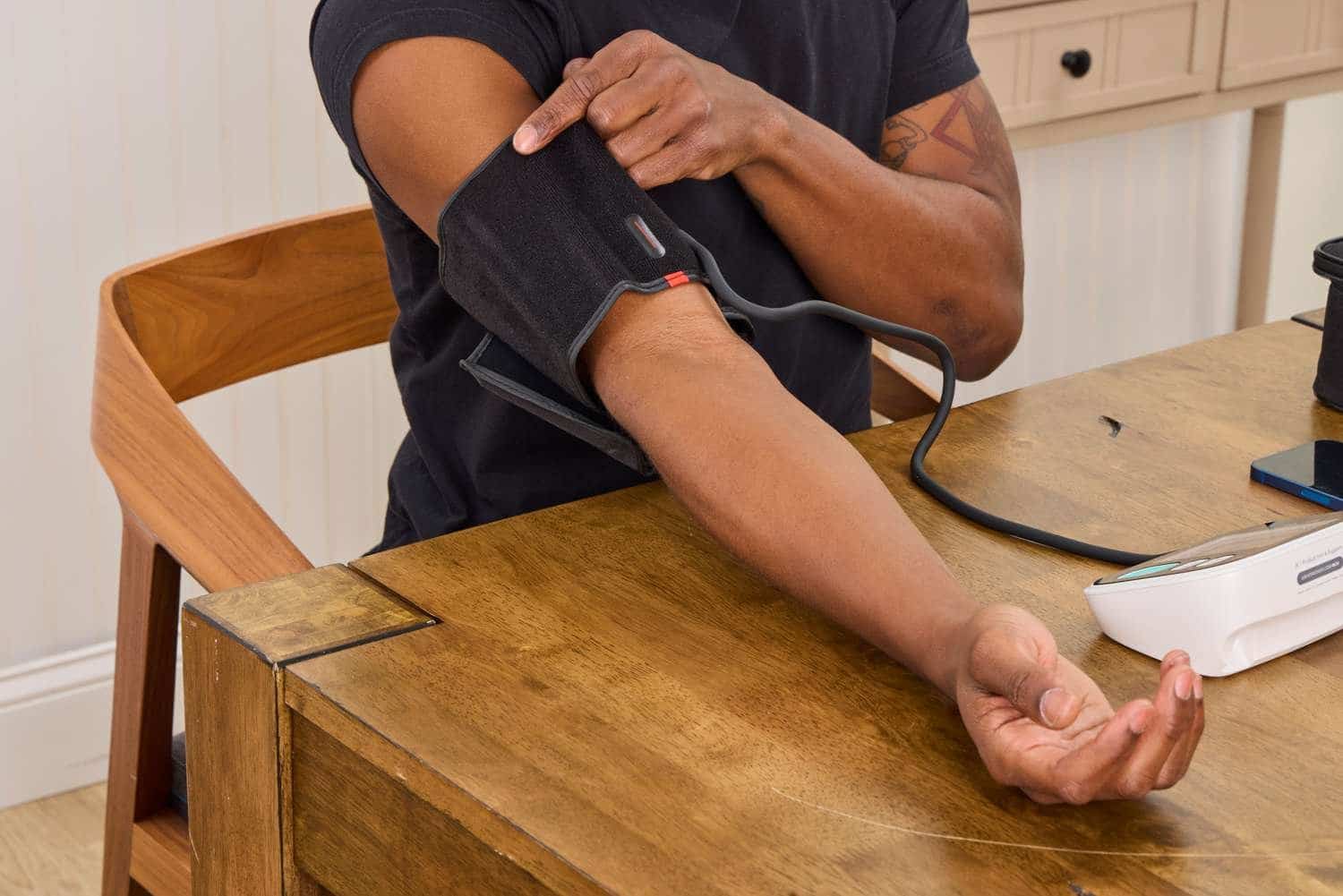
- Ideally, an automatic blood pressure monitor
- A timer or stopwatch
- A wall to lean against
- Someone to stay with you throughout the test
- A notebook or phone to record your readings
Have a history of fainting, significant dizziness or a heart condition? Don’t attempt this alone!
Step 1: Lie down and rest
Lie flat on your back in a quiet room for around 10 minutes. Try to relax and avoid talking or moving around and then, towards the end of this period, record your resting heart rate and blood pressure. These are your baseline measurements.
Step 2: Stand and lean against a wall
Carefully stand up, with someone nearby to support you if needed. Position yourself with your shoulder blades resting lightly against a wall and your heels approximately 15–20 cm (6–8 inches) away from it. Keep your legs relaxed and avoid deliberately tensing your muscles, shifting your weight or walking around.
Step 3: Record your heart rate every minute
Try and stay in this position for up to 10 minutes and record your heart rate every minute, along with your blood pressure if you have a suitable monitor. Make a note of any symptoms you experience, especially things like dizziness, nausea, palpitations, sweating or feeling faint.
Step 4: Stop after 10 minutes
If you feel well enough, complete the full 10 minutes and then have a well deserved sit or lie down. Remember – gently does it! Don’t try to push through and stop the POTS test if you feel faint, very dizzy or unwell.
Step 5: Write down your results
Keep a record of your resting measurements, your readings during the test and any symptoms you experienced. You can then share this information with your GP to help them decide whether you need more tests.
How to interpret your POTS Test results:
If you've got POTS the main thing you'd expect to see in your measurements is a sustained increase in your heart rate after you move from lying down to an upright position.
When Doctors diagnose POTS, the thresholds they usually use are:
- Adults: A sustained heart rate increase of at least 30 beats per minute (bpm) within 10 minutes of standing.
- Teens/young adults aged 12–19: A sustained increase of at least 40 bpm within 10 minutes of standing.
If your readings meet this threshold, please don't panic and don't automatically assume you've got POTS. Likewise, a normal result doesn’t automatically rule it out. The best thing to do is book an appointment with your GP and share your results with them, they can then look into things further. Plus, being a bit dehydrated, certain medications, and anaemia and illness, can all affect your results.
The NASA Lean Test is a really helpful tool for working out if you might have POTS, but it’s not a substitute for a medical diagnosis.
How is POTS managed?
And if you do go on to be diagnosed with POTS after your POTS test, don't worry! There are lots of things you can do to help manage your symptoms; from drinking more fluids and adjusting your salt intake, to finding the right kind of exercise.
It's also worth looking at your diet and your levels of certain nutrients. Being low in some vitamins and minerals can make symptoms like fatigue, dizziness and brain fog worse. Magnesium is a good place to start, because it supports healthy muscle and nerve function, including normal heart rhythm, and may help with fatigue and muscle cramps if your levels are low. Our Tri-Mag Complex Patch is an easy way to top up each day and contains 3 types of the most bioavaiable magnesium.
Any other supplements that might help?
Yes! Don't forget Vitamin D, another must-have for muscle function, bone health and immune support. Our Vitamin D3/K2 Patch is here if you'd like to give it a whirl. While we're talking vitamins, it might also be worth your while topping up your B vitamins, essential for energy production, nerve health and red blood cell formation. Low levels of vitamin B12, in particular, can contribute to fatigue and brain fog. If that's a symptom you're struggling with, try our B12 Energy Plus Patch and see how you feel.
Omega-3 fatty acids are also worth a mention, as they support normal heart and brain function, with research exploring their potential role in heart rate regulation. You'll find both EPA and DHA in our Omega-3 Plus Patch. Finally, there's Coenzyme Q10 (CoQ10), which helps your cells produce energy and can contribute to relieving fatigue and supporting heart health. Our CoQ10 Plus Patch is here if you fancy trying it out.
Want to know more? Read POTS – What’s the best way to supplement if you have it
